As technology continues to blur the lines between digital intelligence and personal expression, the way we approach fashion is also evolving. For everyday users, styling no longer has to be overwhelming, trend-driven, or dependent on algorithms that don’t understand context.
This project explores a smarter, more empathetic way to help individuals discover clothing styles that truly reflect who they are—using calibrated inputs, contextual awareness, and calm design to remove the guesswork from getting dressed.
Image-Based Personalization
Rather than relying on generic size charts or vague suggestions, the app starts by analyzing your image. But not just any image. To ensure accuracy, users are asked to take two quick selfies with a black or white object—one in natural sunlight, and one in indoor lighting. This one-time calibration allows the system to understand your skin tone more accurately and generate color palettes that naturally complement your appearance.
Context-Aware Style Suggestions
Beyond appearance, context matters. Whether you’re heading to an intimate gathering or a solo city stroll, what you wear is influenced by how you feel and who you expect to see. The app asks logic-based questions such as:
- Is this for an event or a casual outing?
- How many people will you know there?
- What kind of impression would you like to make?
These inputs guide the styling engine to match you with looks that feel aligned—not just with your body, but with your moment.
Built as an Aggregator, Not a Store
StyleMatcher is not an e-commerce platform. It’s a recommendation engine. Brands may appear in suggestions, but the platform’s core value lies in its expertise—not its inventory. By focusing on styling over selling, the system remains neutral, honest, and truly user-first.

Minimalism to the Max
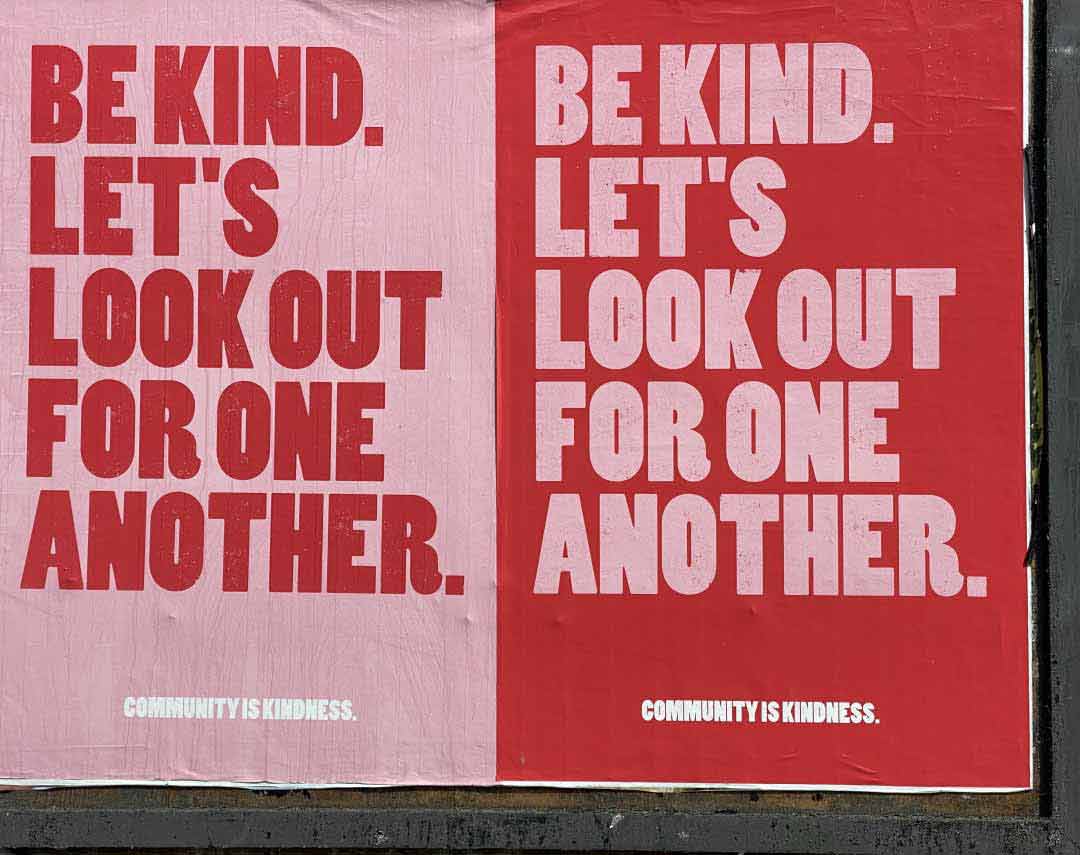
The minimalist design trend is nothing new, but by 2025, it will evolve to emphasize ultra-clean layouts with bold, expressive typography and a restrained color palette. This trend focuses on simplicity and functionality, reducing cognitive load and enhancing user experience.
Immersive 3D Elements
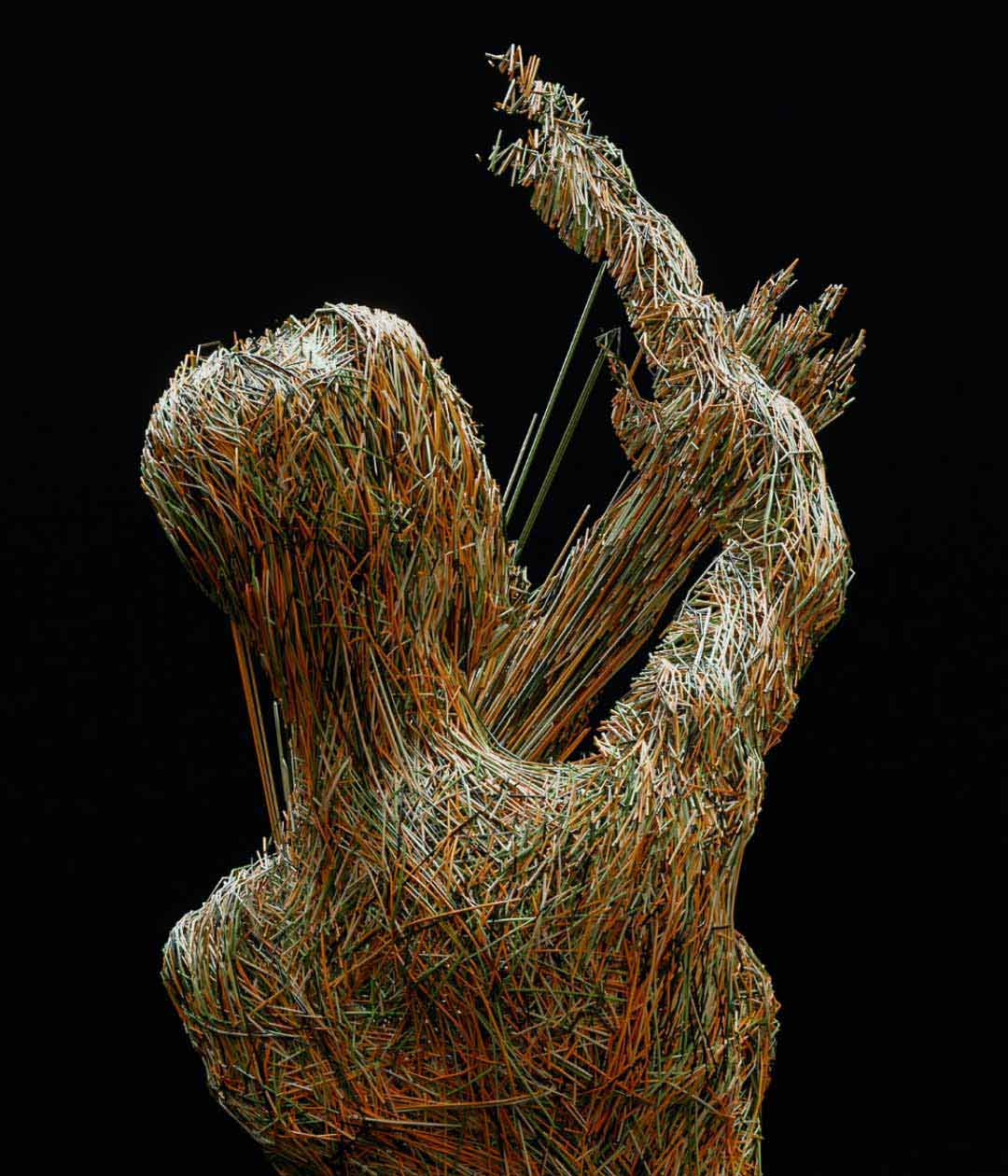
As web technologies advance, so does the ability to incorporate more dynamic and immersive elements into web design. 3D elements, when used judiciously, can provide depth and realism to a website, capturing user attention and improving engagement. Expect more websites to include 3D visuals that are seamlessly integrated into the design, providing a more interactive experience without compromising load times.
Sustainability in Web Design
Sustainability is becoming a priority in all sectors, including web design. Designers are increasingly adopting practices that reduce the environmental impact of digital products. This includes optimized images and assets that require less energy to load, sustainable hosting solutions, and designs that promote or facilitate eco-friendly behaviors among users.